
Naruto: Serie de juegos Path of the Ninja listada
Absolutely! Here's a polished and expanded version of your original piece, perfect for a fan site, gaming blog, or retrospective article on the Naruto: Konoha Ninpōchō series:
Naruto: Konoha Ninpōchō – The Ultimate Guide to the Forgotten RPG Saga
Few franchises in anime and gaming history have achieved the cultural ubiquity of Naruto. From its humble beginnings as a shōnen manga to its global phenomenon status, the series has inspired countless adaptations—most notably in video games. While many fans are familiar with modern titles like Naruto Shippuden: Ultimate Ninja Storm or Naruto x Boruto: Shinobi Striker, a lesser-known but deeply cherished collection of games from the early 2000s laid the foundation for what would become a multimedia juggernaut.
Enter Naruto: Konoha Ninpōchō, a five-part series of Japan-exclusive RPGs and action-adventure titles developed primarily by Tomy and released between 2003 and 2006. Though never officially localized outside Japan, these games hold a special place in the hearts of nostalgic fans and are a testament to the creative ambition of early Naruto game development.
Let’s dive into each of the five titles that make up this unique, if obscure, chapter in Naruto’s gaming legacy.
1. Naruto: Konoha Ninpōchō (2003)
Platform: Bandai WonderSwan Color
Developer: Tomy (in collaboration with Bandai)
Image: 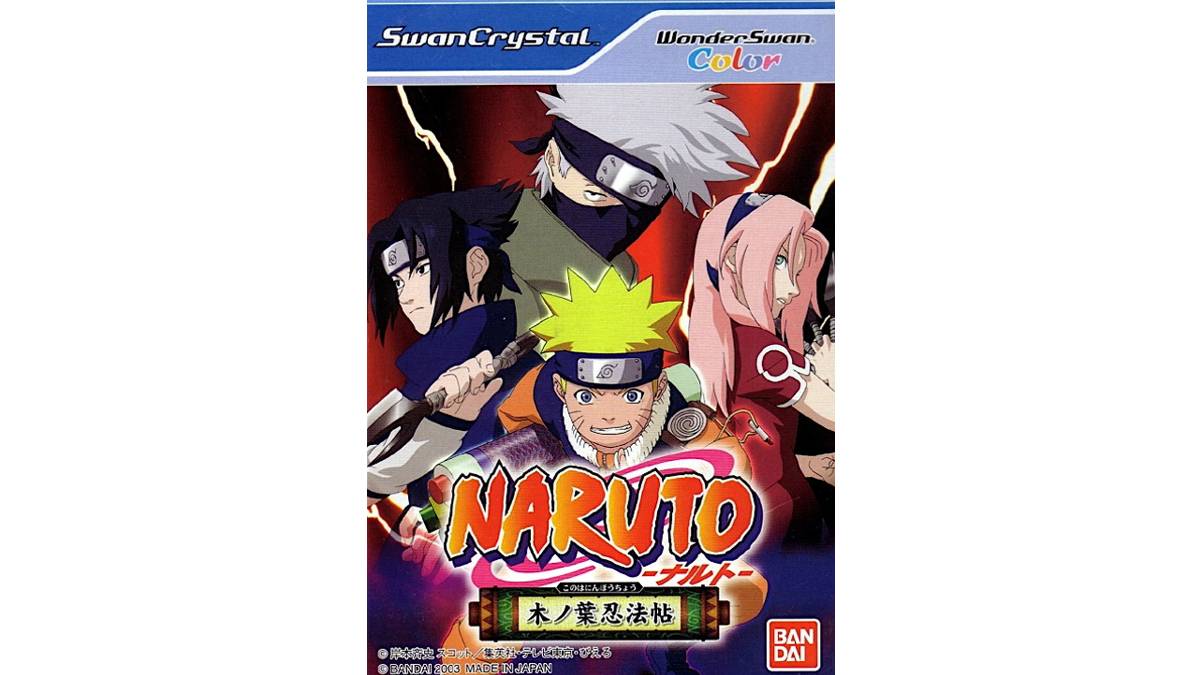
As the first installment in the Konoha Ninpōchō series, this 2003 title launched exclusively in Japan for the WonderSwan Color, a handheld console known for its niche but passionate following. Developed by Tomy and published by Bandai, Naruto: Konoha Ninpōchō is a top-down action-RPG that blends exploration, light combat, and narrative progression.
The game follows Team 7 through the Land of Waves arc, offering players a chance to relive Naruto’s first major mission as a genin. With optional side missions featuring earlier Team 7 exploits—like the infamous "Henge" prank war—it adds charm and depth for fans of the series’ early days.
Despite its limited hardware and modest graphics, the game captures the spirit of the original Naruto manga with authenticity, making it a must-play for retro collectors and die-hard fans.
2. Naruto: Konoha Senki (2003)
Platform: Game Boy Advance
Developer: Tomy
Image: 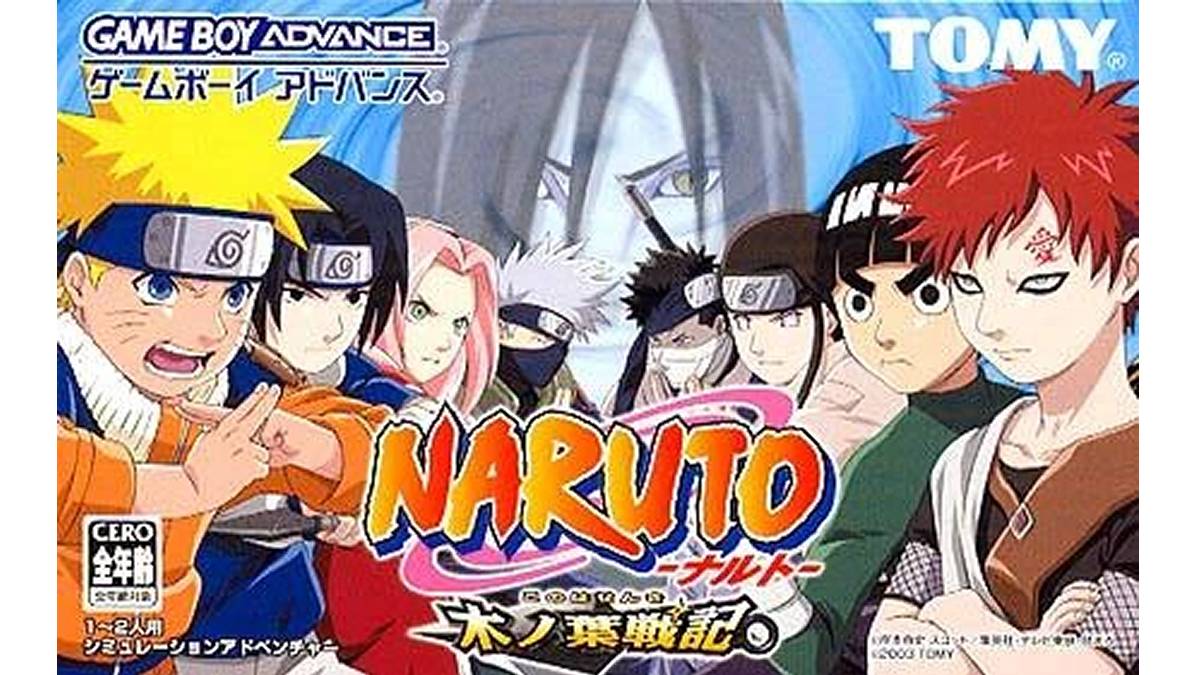
Released in the same year as its predecessor, Naruto: Konoha Senki takes a different approach—a tactical RPG on the Game Boy Advance. While not part of the same "series" in name, Konoha Senki shares thematic roots and was developed by the same team at Tomy.
Set across the first 70 episodes of the anime, the game covers Naruto’s journey from childhood to the Chunin Exams, including pivotal arcs like the Land of Waves, Sasuke Retrieval Mission, and the Chunin Exams themselves. Players control Team 7 and unlock additional characters such as Sakura, Sasuke, and even Kakashi, each with unique skills and abilities.
What sets Konoha Senki apart is its turn-based battlefield system and character progression. With stat upgrades, jutsu learning, and team synergy, it feels more like a true RPG than a simple retelling. Its tactical depth and faithful adaptation of early storylines make it a hidden gem in the Naruto gaming canon.
3. Naruto: Path of the Ninja (2004)
Platform: Nintendo DS (original), Game Boy Advance (port)
Developer: Tomy
Image: 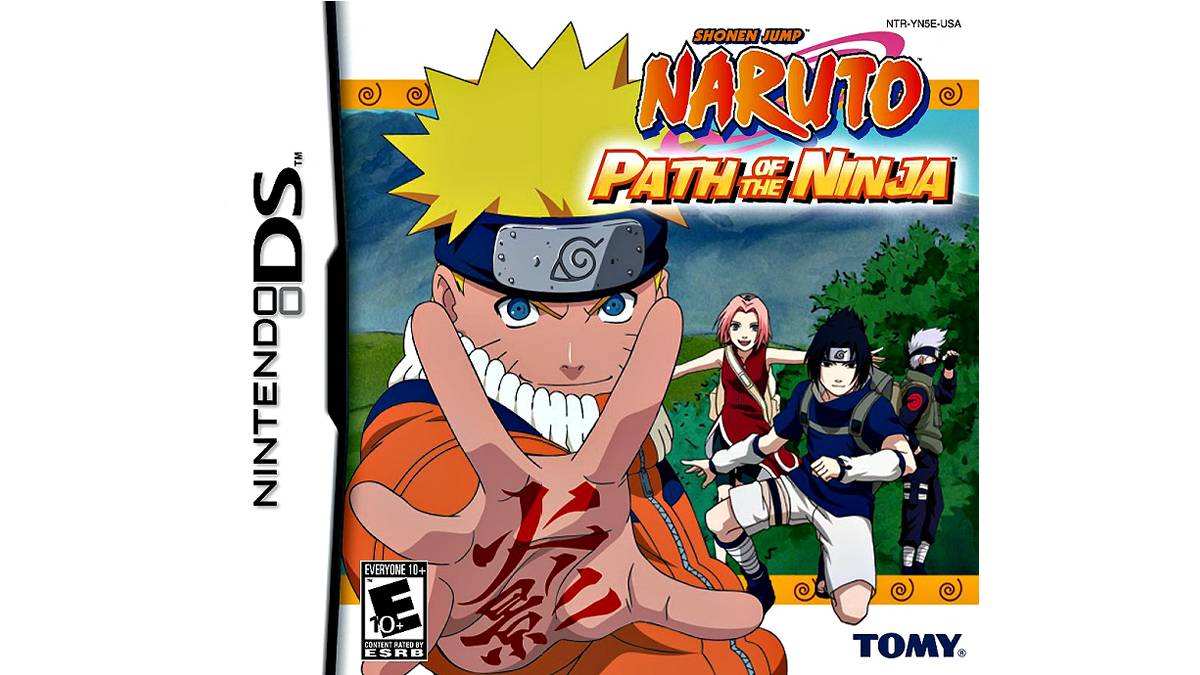
The third entry, Naruto: Path of the Ninja, marks the series' true evolution into a full-fledged RPG. Originally released in 2004 on the Nintendo DS, it was later ported to the Game Boy Advance, showcasing Tomy’s commitment to reaching a wider audience.
This installment leans heavily into traditional RPG mechanics: experience points, leveling, item crafting, and a deep narrative that follows Team 7 through the Chunin Exams arc, culminating in a dramatic showdown against Neji Hyuga and Sasuke Uchiha.
The game features multiple routes, side quests, and even a hidden "true ending" depending on player choices—something rare for a Naruto game of its era. With its dual-screen DS interface, rich character dialogue, and nostalgic music, Path of the Ninja feels like stepping directly into the world of the manga.
It’s also notable for introducing jutsu customization, allowing players to mix and match abilities to create unique ninja builds—foreshadowing the customization systems seen in later Naruto titles.
4. Naruto RPG 2: Chidori vs. Rasengan (2005)
Platform: Nintendo DS
Developer: Tomy
Image: 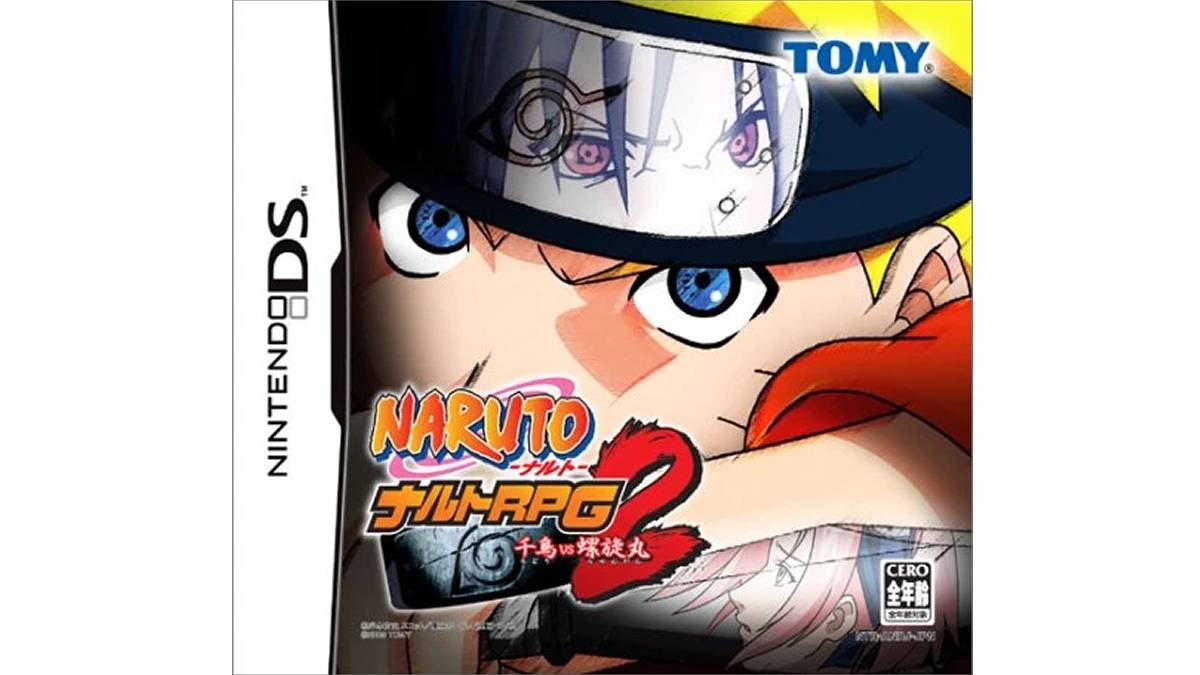
Despite the confusing title (and numbering), this 2005 release is a true sequel to Path of the Ninja. It’s set during the Search for Tsunade, Sasuke’s defection, and the Recovery Mission arc, diving deep into the emotional and political turmoil that reshapes Team 7’s future.
The game introduces a dual protagonist system, letting players switch between Naruto and Sasuke mid-story—a bold choice that highlights the tragic friendship at the heart of the series. The narrative is more mature than its predecessors, with moral decisions that impact outcomes and relationships.
One of the standout features is the "Chidori vs. Rasengan" battle system, where players can use signature jutsu in real-time combat. The game even includes cutscenes and voice clips (in Japanese), a rarity for handheld games of the time.
Though Japan-only, Naruto RPG 2 remains a cult favorite for its emotional storytelling and ambitious design. It’s a poignant farewell to the "innocent" era of Naruto, setting the stage for the final chapter.
5. Naruto: Path of the Ninja 2 (2006)
Platform: Nintendo DS
Developer: Tomy
Image: 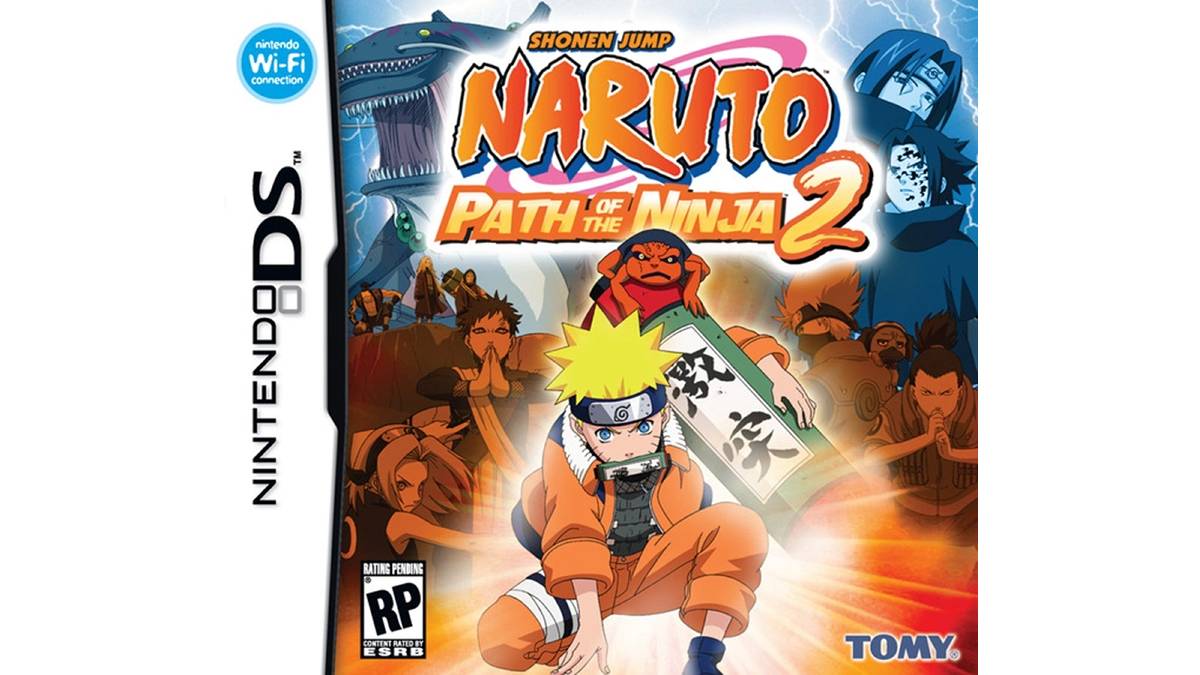
The grand finale of the Konoha Ninpōchō saga, Path of the Ninja 2, was released in 2006 in Japan and saw a 2008 international release—finally giving global fans a chance to experience it.
Breaking from the established canon, this game features a completely original story centered around the Ryūdōin Brothers, mysterious ninja who seek to exploit the Hidden Leaf’s weakness. The narrative introduces a custom ANBU ally, a new character named Kurokage, who becomes a pivotal companion.
The game blends action, adventure, and RPG elements with a stronger emphasis on combat variety and environmental puzzles. New mechanics include team-based jutsu combos, ninja stealth phases, and dynamic weather effects that alter gameplay.
With enhanced graphics, richer voice acting, and a full orchestral soundtrack, Path of the Ninja 2 stands as the most ambitious and polished entry in the series. It’s a fitting end to a saga that, despite its obscurity, captured the heart of early Naruto in a way few games ever have.
Why the Konoha Ninpōchō Series Still Matters
Though never released outside Japan and largely forgotten by mainstream audiences, the Naruto: Konoha Ninpōchō series represents a golden age of Naruto gaming—where storytelling, character depth, and gameplay innovation were prioritized over flashy graphics or mass-market appeal.
Each game offers a unique experience:
- Konoha Ninpōchō (2003): A nostalgic, top-down adventure.
- Konoha Senki (2003): A tactical RPG with depth.
- Path of the Ninja (2004): A full-featured narrative RPG.
- Naruto RPG 2 (2005): A mature, emotionally driven sequel.
- Path of the Ninja 2 (2006): An original epic that closed the chapter.
Together, they form a hidden narrative arc that mirrors the growth of Naruto himself—from wide-eyed dreamer to a hero shaped by loss, friendship, and sacrifice.
Final Thoughts
While modern Naruto games like Ultimate Ninja Storm dominate the spotlight, the Konoha Ninpōchō series remains a masterclass in emotional storytelling, gameplay variety, and fan service. For those who remember the original anime, these games aren’t just video games—they’re time capsules of a formative era in one of anime’s greatest stories.
And though they may never get a full Western release, their legacy lives on in the hearts of fans who still whisper, "Rasengan…"—and wait for the next chapter.
Fan Note: If you’re lucky enough to find a copy, play them all in order. The journey from Team 7’s first mission to the war-torn future they never saw coming? That’s true ninja spirit.
🔍 Looking for a way to play these games today?
Many are now available via Japanese emulators and fan translations (though legality varies). The Naruto: Path of the Ninja series, in particular, has a strong modding community preserving its legacy.
Let me know if you’d like a fan translation patch list, guide to emulating these games, or even a YouTube video script based on this article!
-
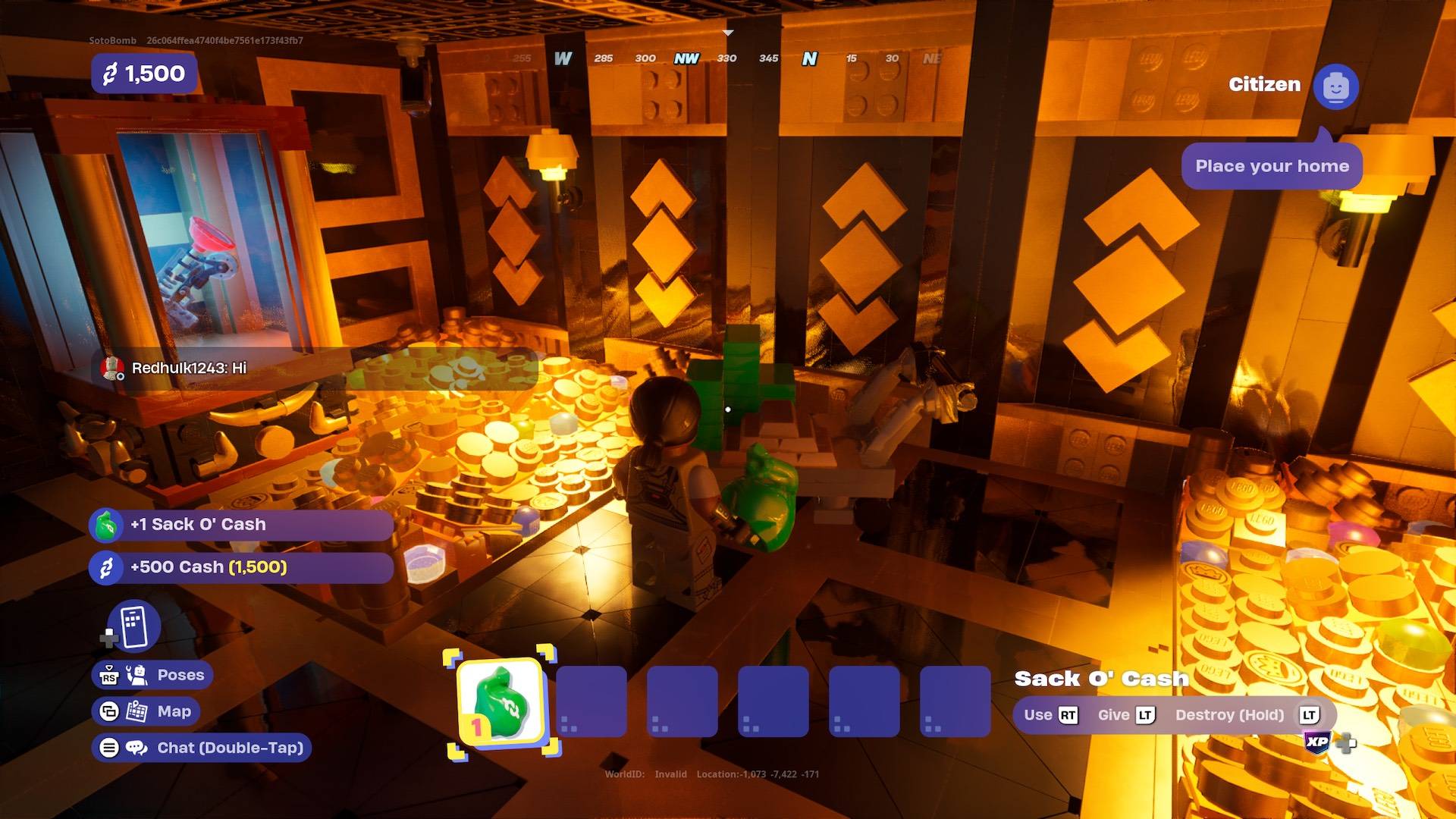 Si anhelas un sabor de la vida civilizada y prefieres no preocuparte por tu próxima comida, LEGO Fortnite Brick Life es el juego perfecto para ti. Te permite sumergirte en una bulliciosa metrópoli LEGO y construir una nueva vida. Aquí tienes tu guíaAutor : Nora May 31,2026
 -
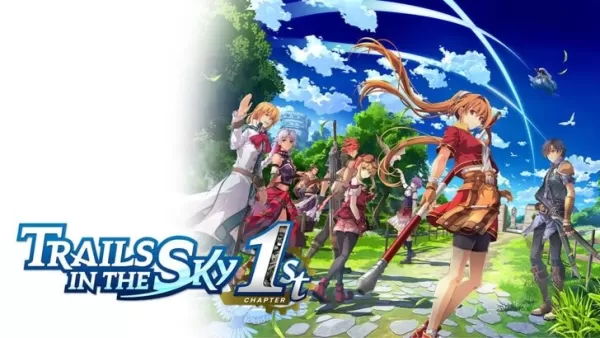 La tan esperada versión remasterizada del primer juego de la saga Trails, The Legend of Heroes: Trails in the Sky 1st Chapter, finalmente está en camino. Sigue leyendo para conocer los detalles sobre su fecha de lanzamiento, las plataformas compatiblAutor : Finn May 31,2026
-
 Slot Book 777Descargar
 -
 Casino SLOTS Machine by Akash GanatraDescargar
 -
 Super Times Pay Spin Poker - FREEDescargar
 -
 Contract Bridge for MobileDescargar
 -
 Türk Daması OnlineDescargar
 -
 Prisoner SolitaireDescargar
 -
 Gabbys DollHouse Tiles HopDescargar
 -
 School Makeup SalonDescargar
 -
 Shopping Mall 3D ModDescargar
 -
 Bitcoin Slots and Casino gamesDescargar



![Taffy Tales [v1.07.3a]](https://imgs.ehr99.com/uploads/32/1719554710667e529623764.jpg)



- Black Ops 6 Zombies: cómo configurar los anillos del círculo de invocación en Citadelle des Morts
- Vales de suerte en Monster Hunter Wilds: Cómo conseguir y usar
- Roblox: ¡Últimos códigos DOORS publicados!
- Harvest Moon: Lost Valley DLC y los detalles de pedido de pedido revelados
- El remake de Silent Hill 2 llegará a Xbox y Switch en 2025
- Roblox: Códigos de frutas Blox (enero de 2025)
-
1Principales clásicos arcade y nuevos éxitos
-
2Cómo organizar su biblioteca de medios
-
3Los mejores juegos de rompecabezas gratuitos en Google Play
-
4Plataformas sociales líderes para dispositivos Android
-
5Los mejores juegos de cartas gratuitos para jugar ahora
-
6Juegos de rompecabezas de Android que mejoran las habilidades de tu cerebro