
Naruto : Les jeux de la série Path of the Ninja annoncés
Absolutely! Here's a polished and expanded version of your original piece—perfect for a fan site, wiki, or gaming retrospective—offering clarity, enhanced flow, and a touch of nostalgic flair while preserving all your insightful details:
Naruto: Konoha Ninpōchō Collection – A Retrospective on the Early Anime Games
With Naruto’s global rise as a cultural phenomenon, fans have been treated to an ever-expanding roster of games across platforms—each capturing a piece of the beloved ninja’s journey. Among the lesser-known but deeply cherished entries in this legacy is the Konoha Ninpōchō series: a five-title collection of Japan-exclusive and select international releases that offer diverse gameplay, spanning the early arcs of the Naruto anime. Though often overlooked in favor of mainline Naruto titles like Naruto Shippuden: Ultimate Ninja Storm, these games represent a unique era of storytelling and gameplay innovation.
From retro handhelds to the rise of the Nintendo DS, the Konoha Ninpōchō series—despite its confusing naming and non-chronological numbering—forms a fascinating, underappreciated chapter in Naruto’s gaming history.
1. Naruto: Konoha Ninpōchō (2003)
Platform: Bandai WonderSwan Color (Japan-only)
Developer: Bandai / Tomy (various)
Genre: Action-Adventure / Side-Scrolling Beat 'Em Up
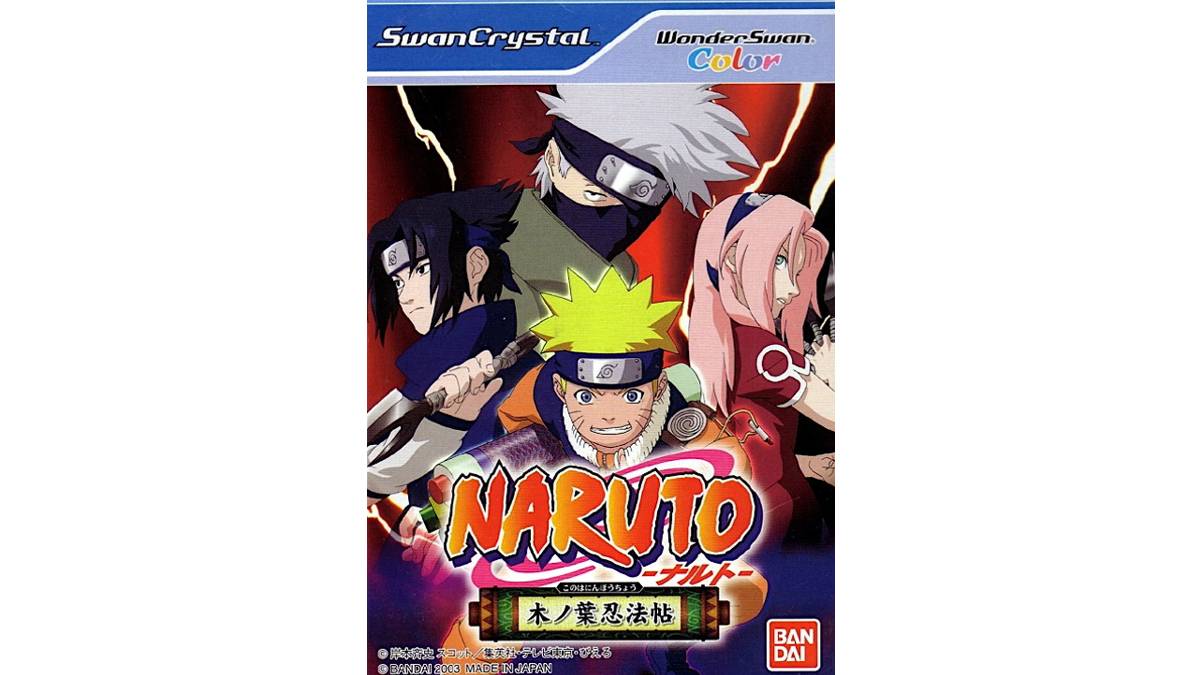
Image via Bandai
The series begins not with a bang, but with a quiet chakra pulse—a nostalgic nod to the roots of the franchise. Released in 2003 exclusively for the WonderSwan Color, Naruto: Konoha Ninpōchō was a bold move by Bandai to capture the heart of the Naruto fanbase during the anime’s formative years.
Set during the Land of Waves arc, the game follows Naruto, Sasuke, and Sakura as they battle enemies from Zabuza’s rogue ninja corps and encounter the mysterious Haku. With tight controls, a simple but effective combo system, and pixel-perfect animation, it delivers a classic side-scrolling experience that feels like stepping into a 2D Naruto episode.
Bonus missions include reenactments of Team 7’s earliest missions—like rescuing the Hokage’s cat or training in the woods—offering fans a playful, lighthearted break from the action.
Why It Stands Out:
A rare, Japan-exclusive gem that captures the innocence of early Naruto with charm, simplicity, and a genuine sense of place.
2. Naruto: Konoha Senki (2003)
Platform: Game Boy Advance (Japan-only)
Developer: Tomy
Genre: Tactical RPG / Turn-Based Strategy
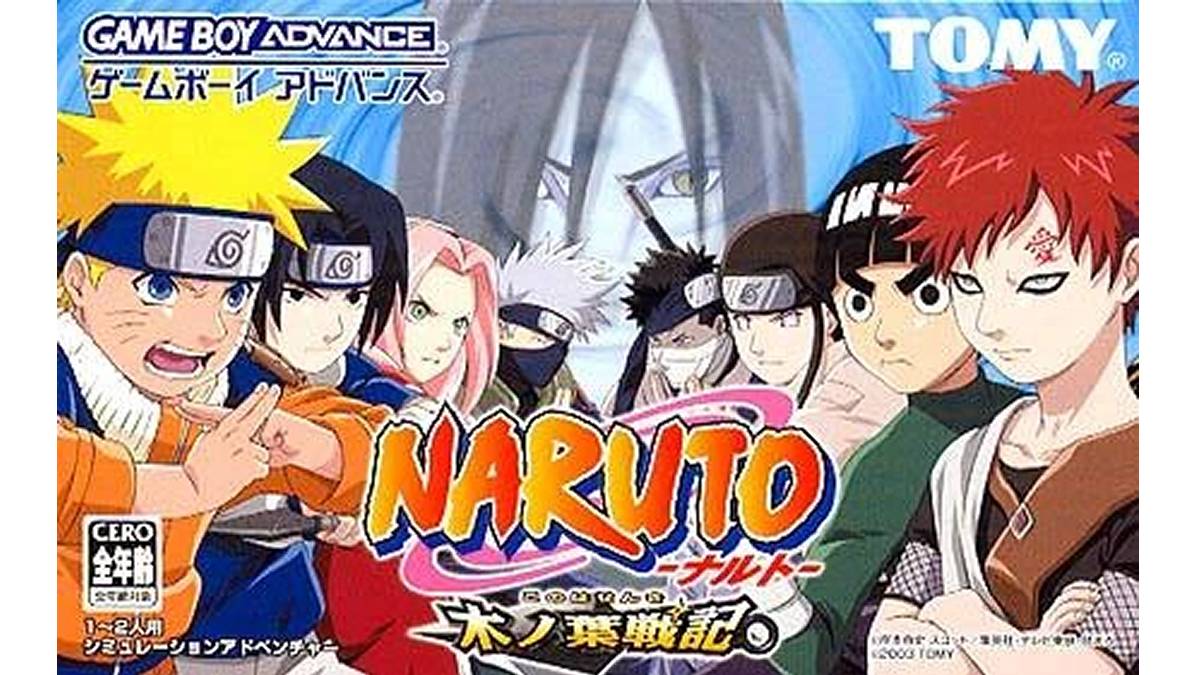
Image via Tomy
Released just months after the first entry, Naruto: Konoha Senki (meaning “The Chronicles of Konoha”) took a sharp turn in genre—shifting from action to tactical role-playing. Developed by Tomy, the same studio behind the Path of the Ninja series, this GBA title spans the first 70 episodes of the anime, covering the Land of Waves, Chūnin Exams, and even the beginning of the Sand Sibling arc.
Players command Team 7 and unlock a roster of allies—Hyūga Neji, Rock Lee, Ino, Chōji, and more—each with unique abilities and growth paths. The game features turn-based combat, terrain advantages, and a full party system, making it feel more like a Dragon Quest or Final Fantasy title than a typical Naruto game.
Key Feature:
The Chūnin Exam Final Round is a standout, with a dramatic 3D-style battle arena and a cinematic showdown against Gaara.
Why It Stands Out:
A masterclass in narrative depth for its time—Konoha Senki isn’t just a game, it’s a fan’s dream interpretation of the first half of the series, with full emotional arcs and character development.
3. Naruto: Path of the Ninja (2004)
Platform: Nintendo DS (Japan), GBA (worldwide port)
Developer: Tomy
Genre: 3D Action RPG / Adventure
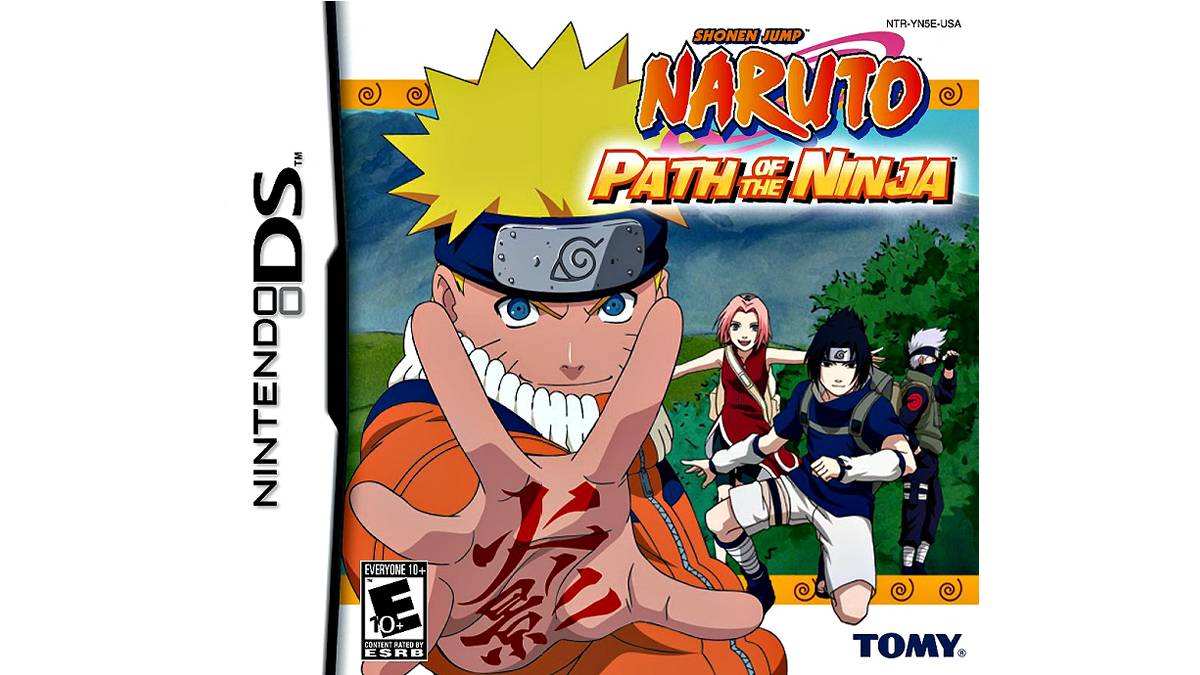
Image via Tomy
The third entry in the loosely connected series, Path of the Ninja, arrived in 2004 as a Nintendo DS exclusive—a platform that perfectly suited its blend of 3D exploration and real-time combat. Though the title sounds like a Ninja Gaiden ripoff, it’s far more Naruto than anything else.
Featuring full 3D character models, dynamic camera angles, and a time-locked narrative, the game retells the early anime arcs with a focus on emotional storytelling. The Chūnin Exams are reimagined as a sprawling, multi-stage tournament with environmental puzzles, boss fights, and even a few secret endings.
The DS’s dual-screen was cleverly used: the top screen displayed the action, while the bottom showed the Ninjutsu menu, inventory, and map, giving players full control over their ninja strategies.
Why It Stands Out:
One of the first Naruto games to truly embrace the DS’s hardware—offering a cinematic, immersive experience that felt like playing through an animated arc.
4. Naruto RPG 2: Chidori vs. Rasengan (2005)
Platform: Nintendo DS (Japan-only)
Developer: Tomy
Genre: Turn-Based RPG / Narrative-Driven Adventure
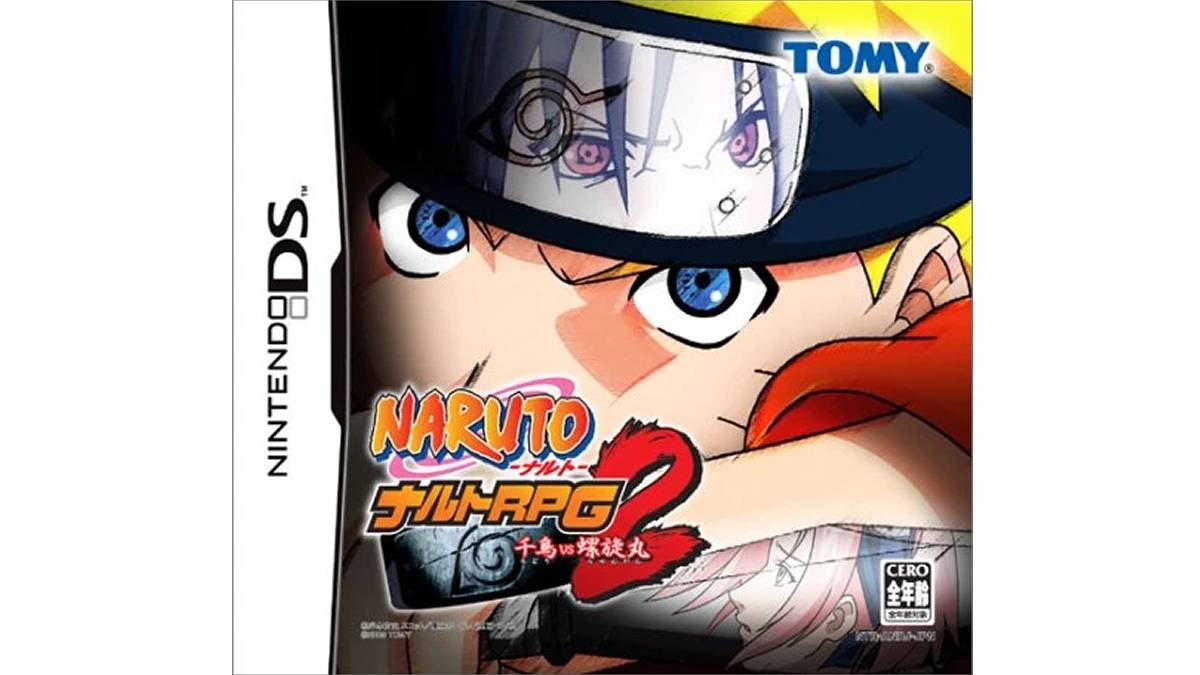
Image via Tomy
Despite its confusing title—“RPG 2”—this isn’t a direct sequel to Path of the Ninja. Instead, it’s a spiritual continuation of the Konoha Senki narrative, focusing on the Recovery Mission arc and the Search for Tsunade.
The title Chidori vs. Rasengan hints at a thematic clash between two of the series’ most iconic jutsu—but the game goes beyond that. It explores Sasuke’s inner turmoil, his fall to darkness, and the emotional weight of his defection.
Featuring a fully voiced script, enhanced animation, and a branching story path depending on player choices, this game feels like a lost chapter in the Naruto timeline. It’s also notable for introducing Sakura’s growth as a kunoichi, with her own story arc and a unique battle style.
Why It Stands Out:
The most emotionally powerful game in the collection—its ending, where Naruto watches Sasuke walk away into the mist, still gives fans chills.
5. Naruto: Path of the Ninja 2 (2006)
Platform: Nintendo DS (Japan), 2008 (international release)
Developer: Tomy
Genre: 3D Action RPG / Story-Driven Adventure
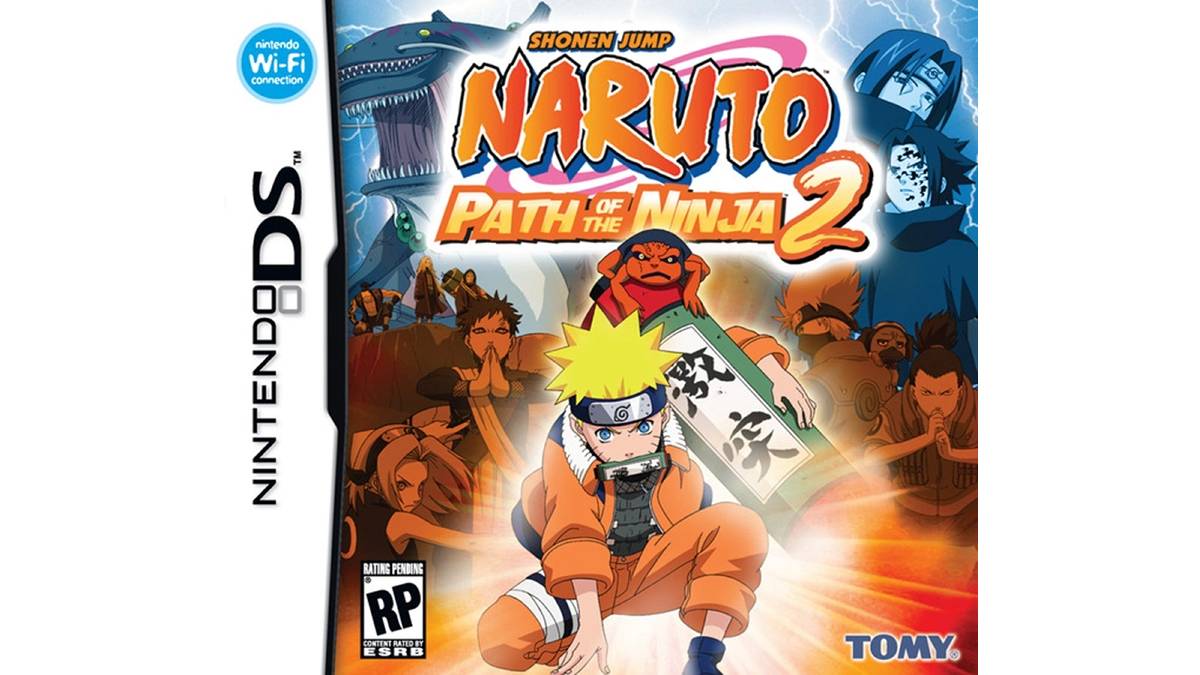
Image via Tomy
The epic finale of the series, Path of the Ninja 2, broke from tradition by introducing an original story not tied to any existing manga or anime arc.
The plot centers on the mysterious Ryūdōin Brothers, a pair of rogue ninja who wield forbidden techniques and seek to corrupt Konoha from within. Players face off against new enemies, unlock unique jutsu, and even recruit a custom ANBU ally—a mysterious black-clad ninja who aids the team in stealth missions.
The game builds on the DS’s strengths with multi-directional combat, combo-based jutsu system, and a mature narrative exploring themes of loyalty, sacrifice, and redemption.
Why It Stands Out:
The only Naruto game to go original with its story. It’s a bold, creative leap that shows how far the franchise’s spirit had evolved—even in non-canonical games.
Final Thoughts: A Forgotten Legacy
While none of these five games achieved mainstream fame outside Japan, they represent a golden age of Naruto gaming—a time when developers took creative risks, explored different genres, and poured passion into every pixel.
Each title offers something distinct:
- Konoha Ninpōchō for retro charm.
- Konoha Senki for tactical depth.
- Path of the Ninja for cinematic flair.
- RPG 2 for emotional storytelling.
- Path of the Ninja 2 for originality.
They may not have been part of the Naruto canon, but in spirit and heart, they’re every bit as real.
For fans who love more than just action: These games aren’t just about defeating villains—they’re about growing up, losing friends, and fighting for home. And in that, they capture the soul of Naruto better than most mainline entries.
Whether you're a veteran fan, a retro gaming enthusiast, or just discovering Naruto’s hidden history, the Konoha Ninpōchō Collection is a journey worth taking—one that reminds us that even in a world of jutsu and destiny, the real magic lies in the journey.
Note: All games are Japan-exclusive except for Path of the Ninja 2, which received an international release in 2008. Many are now available through import sites or digital archives, and their legacy lives on in the hearts of collectors and nostalgic fans everywhere. 🌸💥
Let me know if you'd like a version formatted for a website, blog, or Reddit post!
-
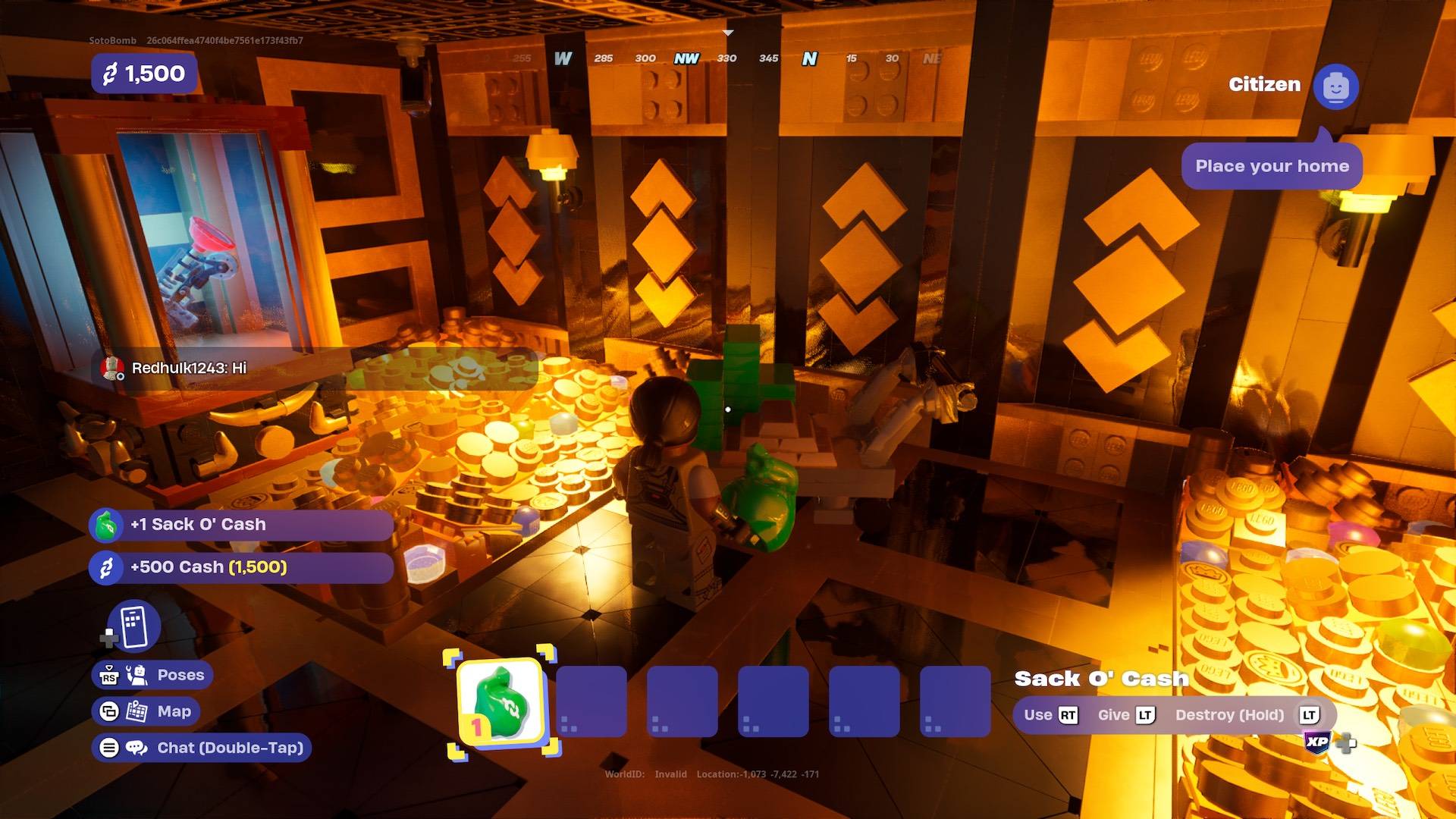 Si vous avez envie d’un goût de vie civilisée et que vous préférez ne pas vous soucier de votre prochain repas, LEGO Fortnite Brick Life est le jeu parfait pour vous. Il vous permet de pénétrer dans une métropole LEGO animée et d’y bâtir une nouvelleAuteur : Nora May 31,2026
 -
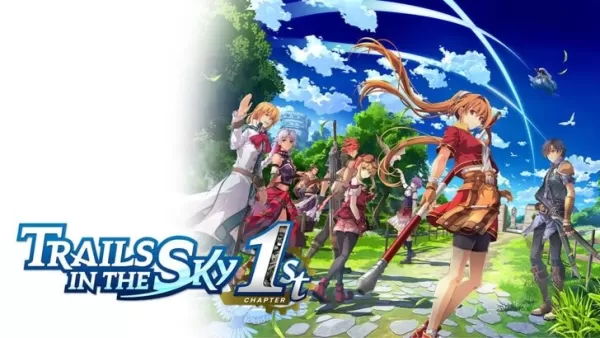 La remake tant attendue du tout premier jeu de la série Trails, The Legend of Heroes: Trails in the Sky 1st Chapter, est enfin en route. Découvrez ci-dessous les détails concernant sa date de sortie, les plateformes supportées ainsi que le calendrierAuteur : Finn May 31,2026
-
 Slot Book 777Télécharger
 -
 Casino SLOTS Machine by Akash GanatraTélécharger
 -
 Super Times Pay Spin Poker - FREETélécharger
 -
 Contract Bridge for MobileTélécharger
 -
 Türk Daması OnlineTélécharger
 -
 Prisoner SolitaireTélécharger
 -
 Gabbys DollHouse Tiles HopTélécharger
 -
 School Makeup SalonTélécharger
 -
 Shopping Mall 3D ModTélécharger
 -
 Bitcoin Slots and Casino gamesTélécharger



![Taffy Tales [v1.07.3a]](https://imgs.ehr99.com/uploads/32/1719554710667e529623764.jpg)



- Black Ops 6 Zombies: Comment configurer les anneaux du cercle d'invocation sur Citadelle des Morts
- Des bons chanceux dans Monster Hunter Wilds: Comment obtenir et utiliser
- Roblox : Derniers codes DOORS publiés !
- Harvest Moon: Lost Valley DLC et les détails de précommande révélés
- Le remake de Silent Hill 2 arrive sur Xbox et Switch en 2025
- Roblox : Codes Blox Fruits (janvier 2025)
-
1Meilleurs classiques d'arcade et nouveaux succès
-
2Comment organiser votre bibliothèque de médias
-
3Meilleurs jeux de réflexion gratuits sur Google Play
-
4Planifier les plateformes sociales pour les appareils Android
-
5Meilleurs jeux de cartes gratuits auxquels jouer maintenant
-
6Jeux de puzzle Android qui améliorent vos compétences cérébrales