
Can We Stop Dunking on Highguard Before It's Even Out, Please?
On December 11, 2025, Highguard was unveiled at The Game Awards. A PvP “raid shooter” from some of the minds behind Apex Legends and Titanfall, Highguard caught many off guard as the final reveal of Geoff Keighley’s December show — a slot traditionally reserved for highly anticipated single-player titles like Naughty Dog’s next project, Intergalactic, or the next Mass Effect. Instead of a big-budget RPG, the trailer showcased a multiplayer experience blending fantasy and sci-fi: heroes armed with SMGs charging on horseback, floating characters hurling magical spears into grounded foes. “A new breed of shooter” flashed across the screen as its Overwatch-meets-Concord gameplay unfolded.
The online response to this trailer has been harsh. Type “Highguard” into YouTube, and nearly every headline reads something like “This Game is Cooked,” “It’s Worse Than We Thought!,” or “What Happened?” The truth? It hasn’t even launched yet. And so I’m here to say what should be obvious: we should play games before we decide they’re good or bad.
I get that you might not like how a game looks, but within the gaming community, it’s growing harder not to feel like there’s an unspoken need for new releases to fail — unless they perfectly match our expectations. This mindset feels deeply unhelpful in the long term, shaped more by social media algorithms and ragebait than thoughtful critique. Jumping to condemn a game based on one trailer and ten screenshots reveals a fundamental misunderstanding — or outright rejection — of the idea that “a rising tide lifts all boats.” More successful games benefit everyone, even if this one doesn’t align with your personal taste.
Of course, it’s not just the gameplay fueling this backlash — it’s the silence from developer Wildlight Entertainment since the reveal. More than a month later, that teaser remains the only video on their official YouTube channel, which, as of now, has just 1,610 subscribers. That’s unusual for a title given such a coveted spot on gaming’s biggest night — especially since the studio didn’t pay for it; Geoff Keighley simply loved the project far more than much of the industry has. The same silence echoes on social media: Highguard’s official X account has barely over 7,000 followers and hasn’t posted since December 12. No details on characters, abilities, or maps. Not even an explanation of how this “new breed” of PvP actually works — a notable omission, since “raid shooter” isn’t a widely understood genre. Highguard itself might not be flawed, but the marketing around it certainly raises questions.
Maybe the team is trying to recreate the lightning-in-a-bottle success of Apex Legends’ shadow drop. Maybe, when it launches, we’ll all be hooked — after all, it’s led by Chad Grenier, one of the original Call of Duty designers behind the first two Modern Warfare games, both Titanfalls, and Apex Legends, joined by other veterans of landmark titles. But past success doesn’t guarantee future triumphs, and yes, the final product might fall short. Still, it’s disheartening to see so many online already treating this as a foregone conclusion — a predetermined failure.
It’s this instant, total dismissal of a game that frustrates me.
You might think Highguard’s action isn’t your style after watching less than two minutes. Maybe, when it drops on January 26, it’ll struggle to find its audience. But it’s this immediate, total dismissal that grates.
I know I’m swimming against a tide of opinions already set in stone. We all know that in 2026, tearing something down online is easier than building it up with optimism. Yet I can’t shake the feeling that the same people gleefully celebrating what they see as another disappointing game will later lament how the industry is crumbling — with layoffs and studio closures happening weekly, pushing out the very creators they admire. If no one dares to innovate and try to deliver on the promise of a “new breed of shooter,” then we’re in a bleak place indeed.
Looking ahead, Marathon will finally launch in March 2026. Bungie’s journey has been rocky: last year’s beta tests drew little enthusiasm, and plagiarism allegations damaged their reputation. But in recent months, they’ve gone quiet, quietly refining the game with feedback from their growing community. I’m genuinely excited for it — even though extraction shooters aren’t really my thing. Many are already drawing hasty comparisons to Sony’s Concord, seeing the writing on the wall. I, however, remain hopeful — not because I expect perfection, but because I trust the shooter pedigree Bungie brings, just as the ex-Titanfall and Apex Legends team does with Highguard.
I’m not convinced either game will become a blockbuster, nor that they’ll automatically redefine the genre. But I want to give them a chance. Because if we’re not getting excited about games, what are we even here for? “Never judge a book by its cover” is an old saying — but it’s never been more relevant. Maybe in 2026, we should update it to: “Never judge a game by its initial teaser and sparse marketing.” It’s a mouthful, sure — but we’ll never discover the next great game if we kill it before it even arrives.
-
 The 65\" Samsung 4K OLED Smart TV Drops to a New Price Low During Best Buy's Early Black Friday SaleThe Samsung S84/S85 TVs deliver all the benefits of OLED technology, making them among the top choices for gamers—yet at a significantly lower price than other OLED models. As part of its early Black Friday promotion, Best Buy is offering the 2025 65Author : Hunter Apr 28,2026
 -
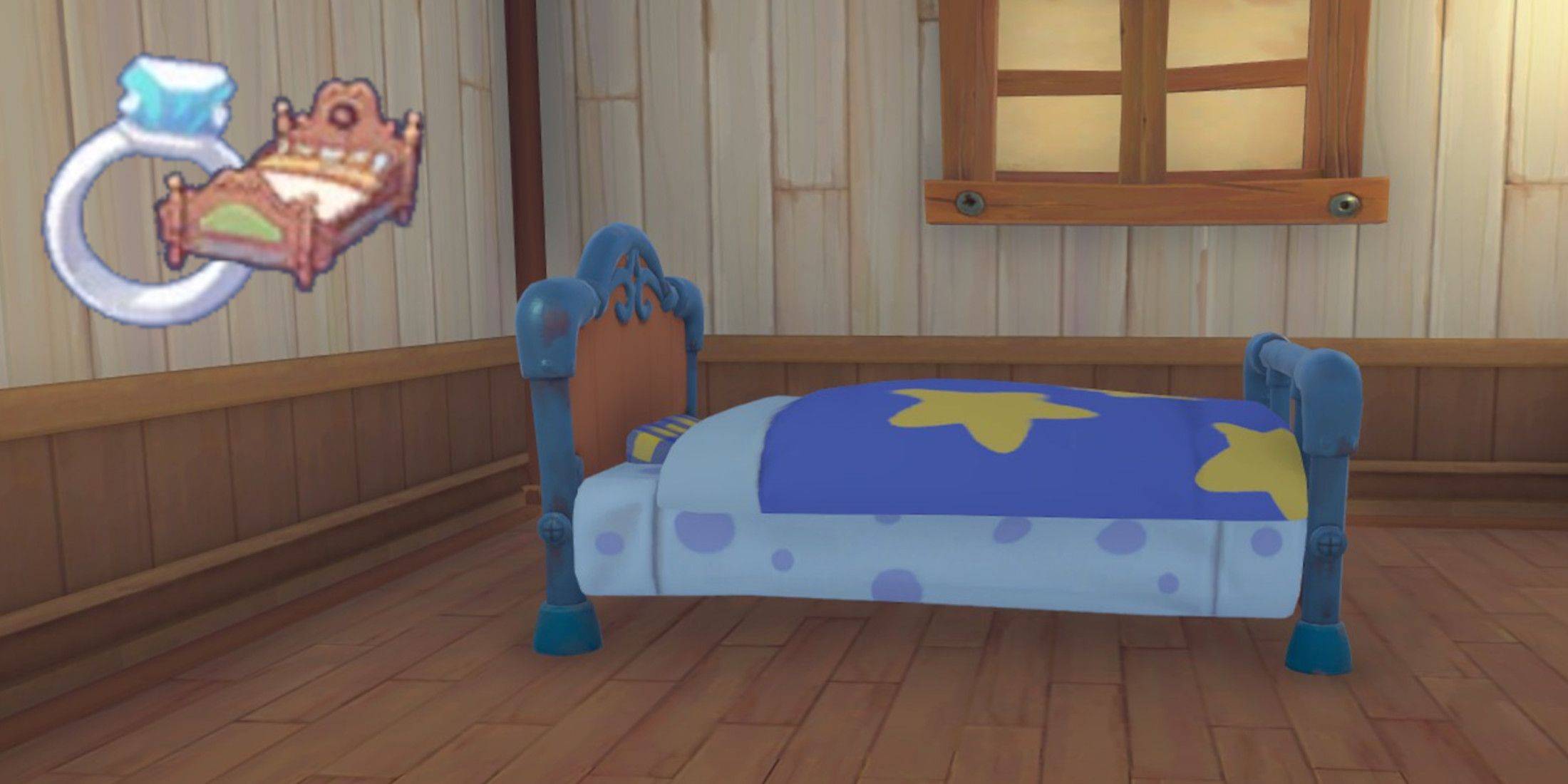 Quick LinksWhere to Get a Double Bed in My Time at Sandrock Customizing the Yakboy Double Bed Additional Double Bed Options In My Time At Sandrock, you’ll discover a vibrant world to explore, forge friendships, and even find love. If you’re readyAuthor : Nathan Apr 28,2026
-
 Wedding Fashion Makeup DressupDownload
 -
 Banana Trainer Vol.2Download
 -
 Idle Workout Master: MMA heroDownload
 -
 Monster Girl 1000Download
 -
 3001: A MILF OdysseyDownload
 -
 Hail To The KingDownload
 -
 Super Jogo da SaúdeDownload
 -
 Suspended Sex Simulator~Bound Mama and the Four GoblinsDownload
 -
 GaduatedDownload
 -
 Hunte: Space PiatesDownload



![Taffy Tales [v1.07.3a]](https://imgs.ehr99.com/uploads/32/1719554710667e529623764.jpg)



- Black Ops 6 Zombies: How To Configure The Summoning Circle Rings on Citadelle Des Morts
- Roblox: Latest DOORS Codes Released!
- Harvest Moon: Lost Valley DLC and Preorder Details Revealed
- Silent Hill 2 Remake Coming to Xbox and Switch in 2025
- Roblox: Blox Fruits Codes (January 2025)
- Roblox: Freeze for UGC Codes (January 2025)