Absolutely—here’s the full, uncut interview with Kenta Motokura, Producer of Donkey Kong Bananza, and Kazuya Takahashi, Director, offering a deep dive into the game’s creative soul, design philosophy, and the legacy it carries forward. This isn’t just a fan service rundown—it’s a behind-the-banana look at how the team is redefining the Donkey Kong experience for a new generation.
On the Game’s Origins: From Concept to Title
Q: The name Bananza is a playful fusion of "Banana" and "Carnival" or "Bazaar"—but is it more than just a pun? Does it represent a core theme?
Kenta Motokura: (laughs) Yes, it’s a pun—but not a careless one. The word "Bananza" was actually born during a brainstorming session where we kept circling back to the idea of abundance: abundance of bananas, abundance of adventure, abundance of feeling. We wanted the game to feel like a celebration—like a festival in the jungle. And bananas, of course, are Donkey Kong’s trademark. But it’s not just about the fruit. It’s about what happens when you let a whole world explode with energy, chaos, and joy. That’s the Bananza.
Kazuya Takahashi: We were also inspired by the idea of a "jungle carnival"—a place where time doesn’t move in a straight line, where gravity plays tricks, and every path leads to something unexpected. That’s the heart of the game: not just platforming, but play. Like a giant, living playground.
The Legacy of the Series: How Do You Honor Donkey Kong’s Past?
Q: Many fans have noted the return of the “DK motif” in the music, the way the jungle feels more alive than in Donkey Kong Country, and the return of King K. Rool’s shadow in the trailers. How did you balance honoring the classic elements while pushing forward?
Motokura: We didn’t want to reinvent Donkey Kong—we wanted to reawaken him. The classic Donkey Kong from the arcade, the original Donkey Kong Country, the original DK Jungle Beat—they all had a raw, physical energy. But this game is about emotional connection. When you play as DK, you’re not just jumping—you’re feeling. The way he swings, the way he grins when he lands a perfect leap—it’s not just mechanics. It’s personality.
Takahashi: We actually went back and watched every original DK game, not just for gameplay, but for tone. The original DK was gruff, proud, a little stubborn—but also fiercely loyal. We wanted to make sure that soul was there, even when he’s swinging from a minecart made of banana peels.
And yes, King K. Rool’s presence is intentional. He’s not a main villain this time—but his shadow lingers. He’s not just a boss. He’s a memory. A reminder of what DK once fought for. You’ll find traces of his old empire in the ruins of the Banana Kingdom. It’s not just nostalgia—it’s storytelling.
The Open-World Jungle: A Living, Breathing Playground
Q: The open world in Bananza feels more dynamic than any previous DK game. Is that because of your experience with Super Mario Odyssey?
Motokura: (smirks) You’re not wrong. The open-world design team here shares DNA with Mario Odyssey’s. But we didn’t just copy. We asked: What if the jungle wasn’t just a backdrop—but a character?
So we built in systems where the jungle reacts. If you swing from a vine and break a banana cluster, nearby animals might scurry to collect them. If you trigger a volcanic eruption in the Banana Caldera, the entire zone shifts—lava flows, new paths open, and DK might have to ride a treetop avalanche to survive. The world isn’t just designed—it’s alive, and it remembers what you’ve done.
Takahashi: And we have a new mechanic called Jungle Echo—when you perform a big move, like a triple backflip into a giant banana cannon, the jungle "remembers" it. Later, in another zone, a monkey might mimic your move. Or a bird might screech in rhythm. It’s like the world is commenting on your style.
Why the Switch 2? The Tech That Makes the Bananza Possible
Q: Bananza is launching on the Nintendo Switch 2. What’s different about the hardware that made this game possible?
Motokura: We’ve had to think about scale. Not just in size, but in feel. The Switch 2’s new GPU and haptics let us do things we couldn’t on Switch 1—like real-time weather effects that change the way vines feel when you grab them, or how the ground shakes when DK stomps.
But it’s not just power. It’s intuition. The new Joy-Con’s adaptive triggers and motion sensing let you feel DK’s grip on a vine—how it tugs, how it pulls back. We’ve even coded a “muscle memory” system so that if you’ve done a certain trick 10 times, the controller anticipates the next input.
Takahashi: The most exciting part? The world grows with you. As you progress, new zones unlock not just in content, but in texture. A jungle that started as mossy and quiet might bloom into a full festival of glowing flowers and talking vines. The Switch 2 allows us to push that sense of evolution.
The Banana Economy: More Than Just a Collectible
Q: Bananas are everywhere. But is there a deeper system—like a banana economy, currency, or upgrade path?
Motokura: Oh, absolutely. Bananas aren’t just collectibles. They’re currency, currency of energy, and currency of friendship. You can trade them for new moves, like the Banana Boomerang or the Banana Slam. But you can also share them. If you give a banana to a monkey, they might give you a new ability—like opening a tunnel with a banana-powered pulley.
And there’s a new mechanic: Banana Bonds. When you help a monkey solve a puzzle, they might later help you by distracting a boss, or even rescuing you from a fall. It’s not just about collecting. It’s about connection.
Takahashi: One of the most emotional moments in the game happens when DK finds an old banana stand—half-rotted, covered in vines. He picks up a single banana, and the screen fades to black. Then, a child monkey appears, handing him a fresh one. And he smiles. That’s the heart of it: bananas aren’t just food. They’re memories.
The Final Question: What Does “Bananza” Mean to You?
Motokura: To me? It’s about joy. Not just fun, but joy. The kind of joy you felt as a kid, swinging on vines, laughing, falling, getting back up. That’s what we’re trying to capture. Not perfection. Not mastery. Just… being. And when you play as DK, you’re not just surviving the jungle. You’re dancing in it.
Takahashi: And for me? It’s a love letter to the games I played as a kid—DK Jungle Beat, Super Mario 64, even Banjo-Kazooie. They all taught me that games don’t have to be serious to be meaningful. You can be wild, messy, silly—and still feel something deep.
So if you’re playing Bananza… don’t just beat it. Be it.
Final Note from the Studio:
"Donkey Kong Bananza is not a game about conquering the jungle. It’s about dancing with it. And if you don’t laugh while swinging from a banana-powered rocket… you might’ve forgotten what fun feels like."
Release Date: Donkey Kong Bananza launches on Nintendo Switch 2 this October, and it’s not just a sequel. It’s a rebirth.
So grab your joysticks, pack your banana backpacks, and get ready for the most chaotic, joyful, banana-fueled adventure since... well, ever.
The Bananza has begun. 🍌💥
-
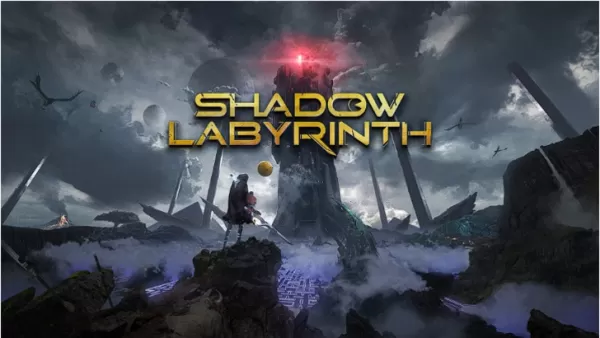 Shadow Labyrinthは、象徴的なパックマンのゲーム性に gripping なダークファンタジーの要素を加えて刷新します!このアクション満載のパズルプラットフォームゲームは、アーケードの原点を尊重しながら新鮮な挑戦を提供します。期待高まる本作の最新アップデートをチェックしてください。← Shadow Labyrinth メイン記事へ戻るShadow Labyrinth ニュース2025年7月3日⚫︎ バンダイナムコは、2025サマーショーケースでShadow Labyrinthの予約開著者 : Allison Apr 26,2026
 -
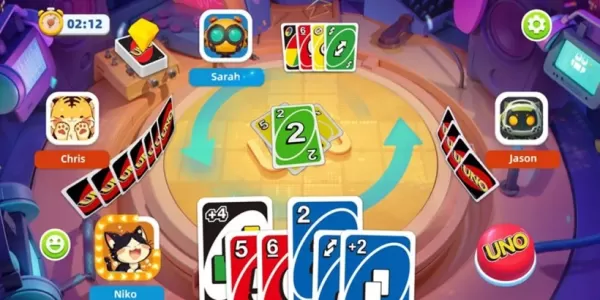 UNO: Arcade Edition は、不朽のカードゲームであるUNOの最新デジタル版です。クイックプレイ、ソロモード、カスタムマッチオプションで、スピーディーな楽しさに没入しましょう。Wild Swap Hands や Double Discard All などの限定新ルールを体験してください。時を経てなお愛され続ける古典的なカードゲームは数少ないですが、その中でUNOは特に際立っています。Mattel163 はこの伝統をモバイルデバイスへと見事に移し替えました。これで Apple Arc著者 : Lucy Apr 26,2026
-
 Wedding Fashion Makeup Dressupダウンロード
 -
 Banana Trainer Vol.2ダウンロード
 -
 Idle Workout Master: MMA heroダウンロード
 -
 Monster Girl 1000ダウンロード
 -
 3001: A MILF Odysseyダウンロード
 -
 Hail To The Kingダウンロード
 -
 Super Jogo da Saúdeダウンロード
 -
 Suspended Sex Simulator~Bound Mama and the Four Goblinsダウンロード
 -
 Gaduatedダウンロード
 -
 Hunte: Space Piatesダウンロード



![Taffy Tales [v1.07.3a]](https://imgs.ehr99.com/uploads/32/1719554710667e529623764.jpg)